Guide
How to become a chef in South Africa
To become a chef in South Africa, most people complete practical culinary training such as a culinary diploma, then build experience in professional kitchens, working up from commis chef. Strong practical skills and a recognised qualification are what employers look for first.
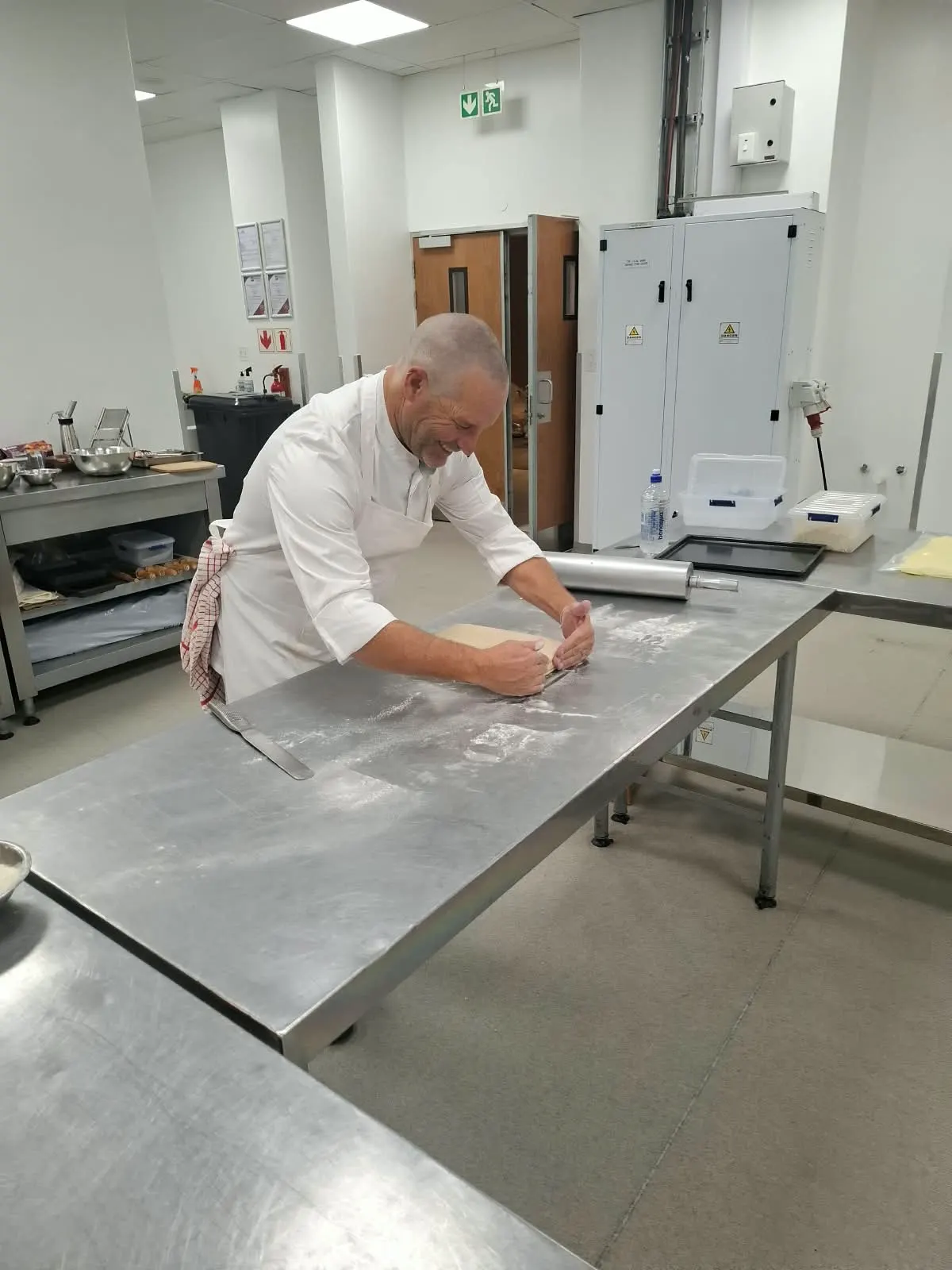
Step by step
The route into a professional kitchen
There is no single path, but most chefs follow a version of these five steps.
- 01
Test your interest
Take a short cooking course or spend time in a working kitchen to see whether the pace suits you.
- 02
Get practical training
Learn the classical foundations at the bench: knife skills, stocks and sauces, pastry, hygiene and costing.
- 03
Earn a recognised qualification
A qualification such as a City & Guilds accredited diploma shows employers what you can do.
- 04
Do an internship and gain experience
Complete an internship in a working kitchen, then start as a commis chef and learn every section under a head chef.
- 05
Specialise and grow
Move up the brigade, specialise in pastry or catering, or open a food business of your own.
Do you need a qualification to be a chef?
Some chefs learn entirely on the job, but formal training shortens the path. You learn techniques properly from the start, you understand food safety and costing, and a recognised qualification helps when you apply for jobs, especially outside South Africa.
The Chef School's International Diploma is a twelve-month, City & Guilds accredited programme taught three mornings a week in a professional kitchen.
What are the entry requirements for chef school?
Entry requirements differ from school to school. At The Chef School, no professional kitchen experience is needed to apply. What matters most is a genuine passion for food, reliability and a willingness to learn.
What does a chef career look like?
Professional kitchens are organised as a brigade. Most chefs move through these roles:
- Commis chef: the entry-level role, learning each section.
- Chef de partie: responsible for one section, such as sauces, fish or pastry.
- Sous chef: second in command, running service and training the team.
- Head chef: leads the kitchen, the menu, the costs and the team.
Many chefs also build careers in catering, hotels, private cooking and food businesses of their own.
What skills does a chef need?
- Knife skills and classical cooking techniques
- Hygiene and food safety habits
- Timing and calm under pressure
- Costing, menu planning and stock control
- Teamwork and the ability to take feedback
Questions
Frequently asked questions
How long does it take to become a chef?
Training at The Chef School takes twelve months. Progressing to senior roles such as sous chef or head chef usually takes several more years of kitchen experience.
Can I become a chef without a qualification?
Yes, some chefs learn on the job. A qualification shortens the path, gives you a strong foundation and opens more doors, especially abroad.
Is a short course enough to work as a chef?
No. Short courses are a good way to test your interest and build confidence, but professional kitchens expect full practical training.
More guides
Keep reading.
- Guide
What chef school costs
What drives chef training fees in South Africa, what should be included, and the questions to ask any school.
Read guide - Guide
City & Guilds explained
What City & Guilds is, what an accredited school means, and how culinary qualifications are assessed.
Read guide - Guide
Studying to be a chef online
What you can learn online, what only a real kitchen can teach, and a flexible in-person alternative.
Read guide
Ready to start cooking?
Apply for the International Diploma, book a short course, or send us a WhatsApp with your questions.